
Guide
Expert Nutritionist Advice for Better Men's Health
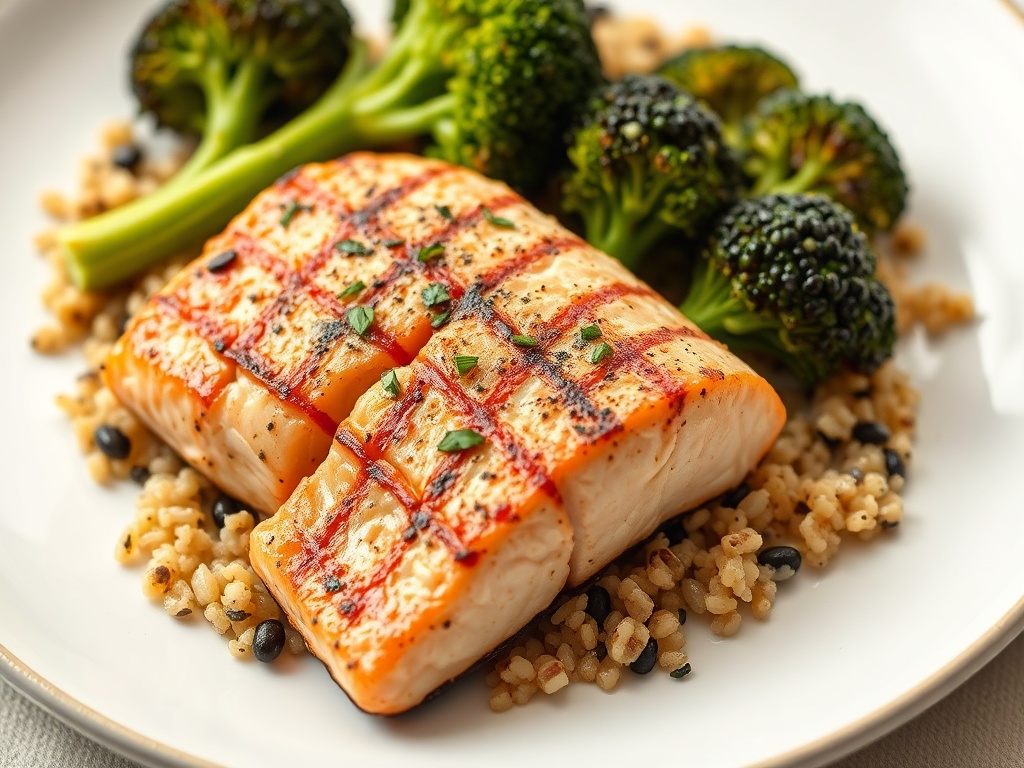
How can nutrition improve men's health?
Proper nutrition is the foundation of men's health and wellness. A balanced diet rich in proteins, healthy fats, and essential vitamins supports muscle development, energy levels, and overall vitality. Our nutritionist experts recommend focusing on whole foods, reducing processed items, and staying hydrated. These simple dietary changes can significantly boost your physical performance, mental clarity, and long-term health outcomes. Consistent eating habits combined with regular exercise create the optimal environment for achieving your health goals.
Why should men prioritize nutritional health?
Men often overlook nutrition's critical role in preventing chronic diseases and maintaining peak performance. Heart health, prostate function, and bone density all depend on quality nutrition. By adopting expert dietary guidelines early, men can reduce risks of diabetes, cardiovascular disease, and obesity. Nutritional awareness empowers you to make informed choices that enhance energy, strength, and mental focus. Investing in proper nutrition now prevents costly health complications later and ensures you feel your best throughout life.
What are the essential nutrients every man should include?
Key nutrients for men include protein for muscle maintenance, zinc for reproductive health, magnesium for energy and sleep quality, and omega-3 fatty acids for heart and brain function. Vitamin D supports bone health and immune function, while B vitamins aid energy metabolism. Antioxidants from fruits and vegetables protect against cellular damage. Our nutritionist recommends ensuring adequate intake of these compounds through varied, whole-food sources. Supplementation may be necessary depending on individual needs and dietary restrictions.
How does protein intake affect muscle and strength?
Protein is essential for building and repairing muscle tissue, making it crucial for men seeking strength gains and athletic performance. Quality protein sources include lean meats, fish, eggs, legumes, and dairy products. A nutritionist typically recommends consuming adequate protein distributed throughout the day to optimize muscle protein synthesis. Combining protein intake with resistance training amplifies results and supports recovery. Proper hydration and sufficient sleep complement protein consumption for maximum effectiveness.
What role does cardiovascular nutrition play?
Heart health depends significantly on dietary choices, particularly sodium intake, saturated fats, and fiber consumption. Men should prioritize foods rich in omega-3 fatty acids like salmon and sardines, whole grains for fiber, and colorful vegetables for antioxidants. Reducing processed foods and limiting added sugars protects arterial function and blood pressure. Regular cardiovascular exercise combined with heart-healthy nutrition substantially reduces disease risk. Consulting a nutritionist helps create personalized plans addressing your specific health markers.
How can men optimize energy and mental focus?
Mental clarity and sustained energy depend on stable blood sugar levels and adequate micronutrient intake. Complex carbohydrates, lean proteins, and healthy fats provide steady fuel throughout the day. B vitamins support brain function and stress management, while antioxidants combat mental fatigue. Staying hydrated and limiting caffeine crashes are equally important. Regular meal timing prevents energy dips that impair concentration. A nutritionist can design an eating schedule aligned with your daily activities for peak performance.
Common Questions About Men's Nutritional Health Guidance

What foods boost testosterone naturally?
Testosterone support comes from zinc-rich foods like oysters and beef, vitamin D sources including fatty fish and sunlight exposure, and healthy fats from avocados and nuts. Cruciferous vegetables support hormone balance, while adequate calorie intake prevents testosterone decline. Exercise, quality sleep, and stress management complement nutritional efforts. Avoid excessive alcohol and processed foods that may suppress hormone production. Individual supplementation should be discussed with a nutritionist based on blood work results.
How important is meal timing for men's health?
Meal timing affects energy distribution, muscle recovery, and metabolic efficiency throughout the day. Eating balanced meals every three to four hours maintains steady blood sugar and prevents overeating. Post-workout nutrition within two hours optimizes muscle protein synthesis. Breakfast consumption jumpstarts metabolism and improves focus, while avoiding late-night eating supports sleep quality. A nutritionist can help create a personalized eating schedule matching your lifestyle, training routine, and health objectives.
Which supplements should men consider alongside whole foods?
While whole foods should form your nutrition foundation, some men benefit from targeted supplementation. Vitamin D, omega-3 fish oil, magnesium, and zinc are commonly recommended based on individual needs and dietary gaps. Whey protein can conveniently support daily protein targets, while creatine benefits muscle performance. A nutritionist or doctor should assess your specific situation before recommending supplements, as individual needs vary greatly. Quality, third-party tested products ensure safety and efficacy.
How can men manage weight through nutrition?
Sustainable weight management combines calorie awareness with nutrient-dense food choices and adequate protein intake. Whole foods including vegetables, lean proteins, and whole grains provide satiety while supporting metabolism. Strength training preserves muscle during weight loss, maintaining strength and appearance. Consistent meal patterns prevent impulsive eating and hormonal disruption. A nutritionist creates personalized plans accommodating food preferences while achieving realistic goals. Patience and sustainable habits produce lasting results beyond temporary dieting.
What drinks should men prioritize for optimal health?
Water remains the most essential beverage for hydration, cognitive function, and physical performance. Unsweetened tea provides antioxidants and modest caffeine without added sugars. Black coffee offers health benefits in moderation, supporting metabolism and mental alertness. Limit sugary drinks, excessive alcohol, and high-calorie beverages that promote weight gain. Post-workout chocolate milk or protein shakes aid recovery when whole foods aren't convenient. A nutritionist helps establish healthy drinking habits supporting your specific health goals.
How does sleep relate to nutritional health?
Sleep quality directly impacts hormone regulation, appetite control, and recovery from physical training. Poor sleep disrupts cortisol and ghrelin, increasing hunger and cravings for unhealthy foods. Magnesium-rich foods consumed hours before bedtime support sleep onset and quality. Avoiding caffeine, alcohol, and large meals near sleep time improves sleep architecture. Consistent sleep schedules regulate metabolism and appetite hormones. A nutritionist considers sleep patterns when creating eating plans, as recovery compounds dietary benefits.


Get your personalized nutrition plan today
Transform your health with expert nutritionist guidance